Get Rubber Roof Repair
Rubber roof repair services help property owners fix leaks, tears, or damage on rubber roofs through patching, sealing, or replacing sections, handled by local contractors.
If your property has a rubber roof that shows signs of wear or damage, exploring repair options is a practical step to protect your investment. Rubber roofing is known for its durability and weather resistance, but over time, it can develop issues like leaks, cracks, or surface deterioration. Addressing these concerns early can help prevent more costly repairs down the line and extend the lifespan of the roof. Property owners in the area who are planning maintenance or upgrades often turn to local contractors with experience in rubber roof repair to ensure their buildings remain secure and weather-tight.
Comparing local service providers can help property owners find the right solutions for their specific needs. Many local contractors offer specialized rubber roof repair services designed to restore functionality and improve the roof’s overall condition. Whether dealing with minor repairs or more extensive work, exploring options in the community allows property owners to make informed decisions and connect with experienced professionals who can handle the job efficiently. Keep reading to learn more about how local contractors can assist with rubber roof repairs and what to consider when planning your project.
- Rubber Roof Repairs - needed when leaks or punctures compromise the integrity of a rubber roofing system.
- Rubber Roof Replacement - appropriate when existing rubber roofing has extensive damage or aging that cannot be repaired effectively.
- Rubber Roof Sealant Application - used to seal seams, flashing, or small cracks to prevent water intrusion.
- Rubber Roof Maintenance - recommended for routine inspections and minor repairs to extend the lifespan of a rubber roof.
- Rubber Roof Patching - required to address localized damage such as tears or punctures for quick restoration.
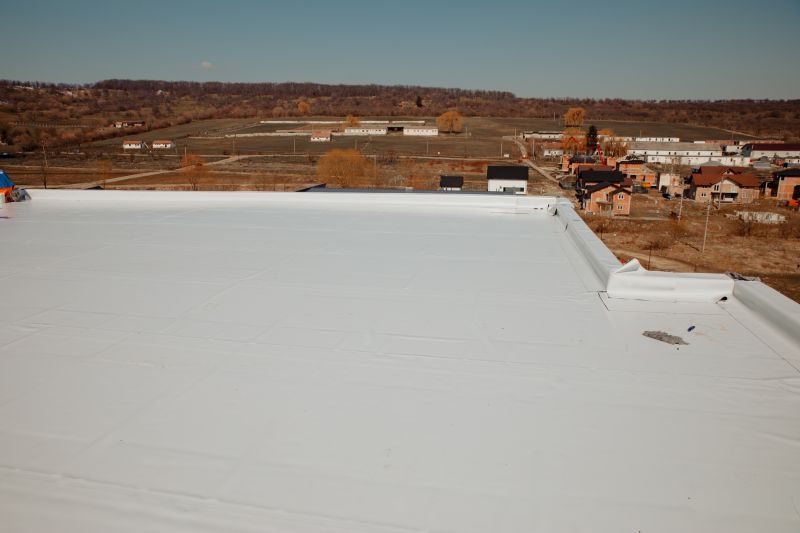
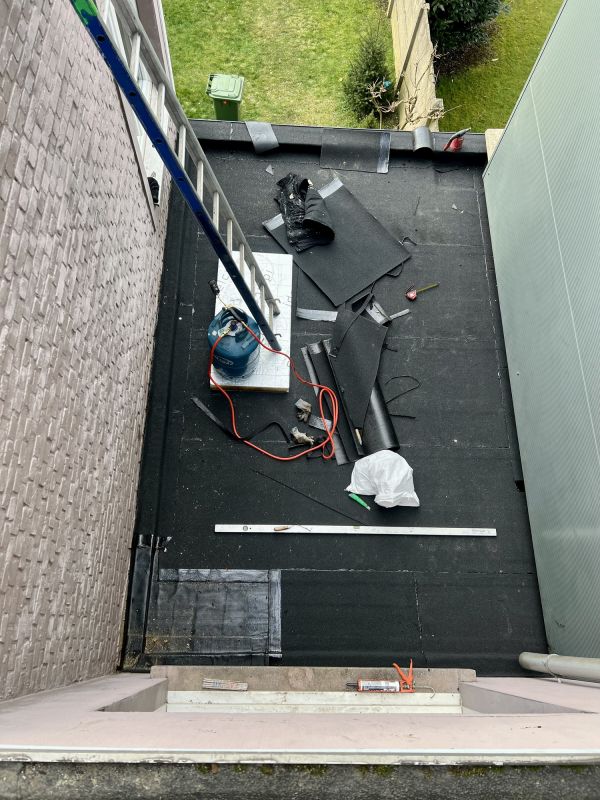
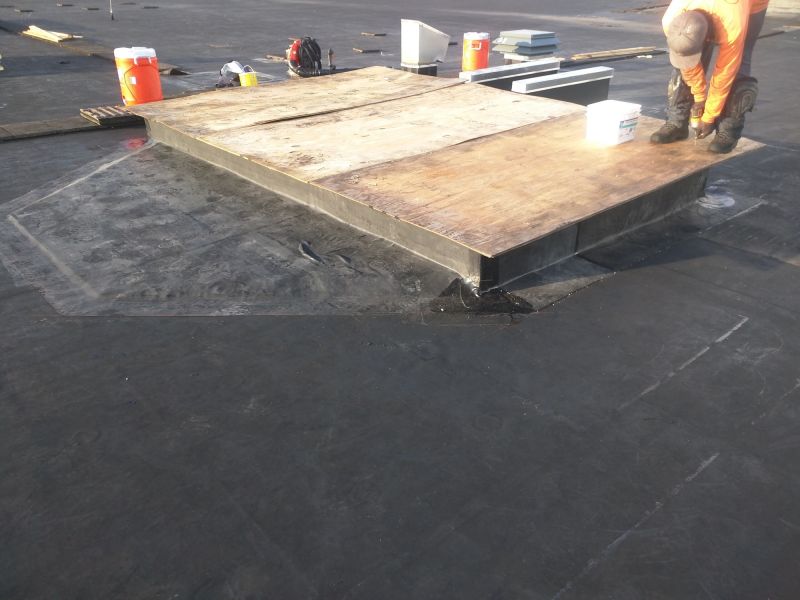
Rubber roof repair services involve inspecting and fixing issues with rubber roofing systems, which are commonly used on flat or low-slope roofs. These services typically include patching leaks, sealing cracks, replacing damaged sections, and reinforcing vulnerable areas to restore the roof’s integrity. Contractors may also perform surface cleaning and apply protective coatings to extend the lifespan of the rubber membrane. The goal is to ensure the roof remains watertight and durable, preventing further damage and costly repairs down the line.
Rubber roofs are especially prone to problems like leaks, tears, or punctures caused by weather exposure, foot traffic, or aging materials. Over time, cracks can develop, and seams may weaken, leading to water infiltration that can damage the underlying structure. Repair services help address these issues promptly, preventing water from seeping into the building, which could cause mold growth, wood rot, or interior damage. Regular inspections and repairs can also help identify early signs of deterioration before they develop into more extensive and expensive problems.
This type of roof repair service is commonly used on commercial buildings, such as warehouses, retail stores, and office complexes, which often have flat rubber roofs designed for durability and low maintenance. However, homeowners with rubber membrane roofs on their garages, sheds, or flat sections of their homes can also benefit from these services. Property owners who notice signs of damage like pooling water, visible cracks, or leaks inside their buildings should consider contacting local contractors for an assessment and necessary repairs.
Choosing experienced local service providers ensures that rubber roof repairs are performed correctly and efficiently. These professionals have the expertise to handle different types of rubber roofing materials and can recommend the best solutions based on the specific condition of the roof. Timely repairs can help prolong the life of the roof, protect the property from water damage, and maintain the overall value of the building. Contacting local pros for a thorough inspection and repair can provide peace of mind and help keep the roof in good condition for years to come.
The overview below groups typical Rubber Roof Repair projects into broad ranges so you can see how smaller, mid-sized, and larger jobs often compare in your area.
In many markets, a large share of routine jobs stays in the lower and middle ranges, while only a smaller percentage of projects moves into the highest bands when the work is more complex or site conditions are harder than average.
Smaller Repairs - typical costs for minor rubber roof repairs range from $250 to $600. Many routine patching and sealing jobs fall within this range, depending on the extent of the damage and roof size.
Moderate Fixes - mid-sized repairs such as replacing sections or addressing leaks generally cost between $600 and $1,500. These projects are common and usually involve more extensive work than simple patches.
Full Roof Replacement - replacing an entire rubber roof can range from $5,000 to $12,000 or more for larger properties. Such projects are less frequent but necessary for aging or severely damaged roofs.
Complex or Large-Scale Projects - larger, more complex projects, including multiple repairs or extensive modifications, can reach $15,000 or higher. These are less common and typically involve specialized services from local contractors.
Actual totals will depend on details like access to the work area, the scope of the project, and the materials selected, so use these as general starting points rather than exact figures.
Flat Roof Coating - professionals skilled in applying protective coatings to flat roofs, sharing similar surface preparation and sealing techniques used in rubber roof repairs.
EPDM Roofing Installation - contractors experienced in installing synthetic rubber membranes, which involves similar planning and membrane handling skills as rubber roof repairs.
Roof Leak Detection - service providers who identify and locate leaks in roofing systems, utilizing diagnostic tools and inspection methods comparable to those used in rubber roof repair assessments.
Commercial Roof Repair - local contractors specializing in repairing large-scale roofing systems, often requiring similar planning, tools, and repair techniques as rubber roof restoration.
Waterproofing Services - experts applying waterproof membranes and sealants, which involve surface preparation and sealing skills akin to rubber roof patching and sealing.
Roof Inspection Services - professionals conducting thorough roof assessments, utilizing inspection techniques that are essential for identifying issues in rubber roofing systems.
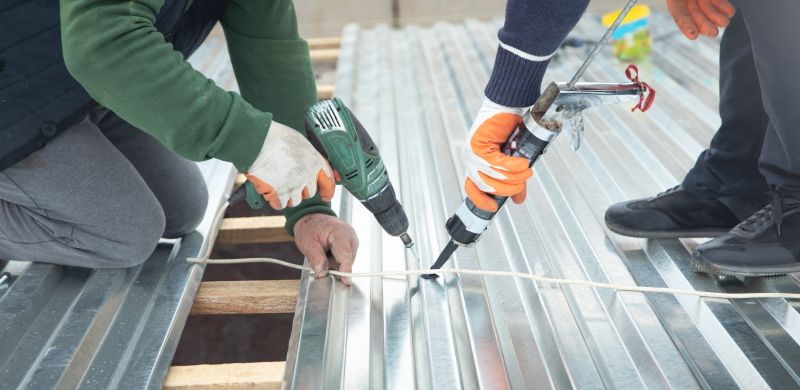
When evaluating local contractors for rubber roof repair, it’s important to consider their experience with similar projects. Homeowners should inquire about how many rubber roof repairs or installations they have completed and whether they have worked on properties comparable in size and style. An experienced service provider will have a solid understanding of the specific materials and techniques involved, which can contribute to a more reliable and effective repair process. Checking the background of potential contractors can help ensure they are familiar with the nuances of rubber roofing systems and can handle the unique challenges that might arise.
Clear, written expectations are essential for a smooth repair experience. Homeowners should seek detailed descriptions of the scope of work, including the materials to be used, the steps involved in the repair process, and any warranties or guarantees offered. Having this information in writing helps prevent misunderstandings and provides a reference point throughout the project. Service providers who communicate openly and provide thorough documentation demonstrate professionalism and a commitment to transparency, making it easier for homeowners to make informed decisions.
Reputable references and good communication are key indicators of a trustworthy contractor. Homeowners are encouraged to ask potential service providers for references from previous clients who had similar rubber roof repair work done. Speaking with past customers can reveal insights into the contractor’s reliability, quality of work, and ability to follow through on commitments. Additionally, effective communication-such as prompt responses to questions and clarity in explanations-can make the entire process more manageable. It’s important to remember that this site introduces homeowners to local options, not that it performs the work itself, so taking the time to research and compare local contractors can lead to a more confident and satisfactory repair experience.
Property owners use Rubber Roof Repair services for practical projects around their homes and businesses. This guide focuses on everyday jobs and straightforward project options.
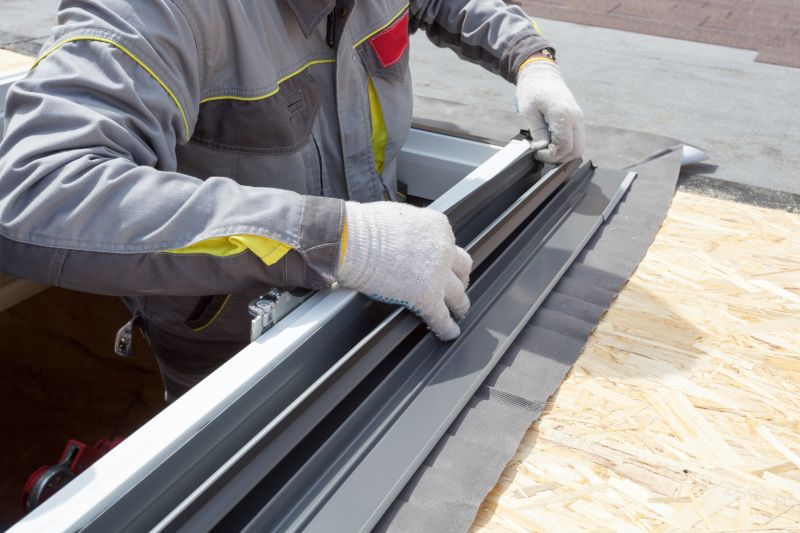
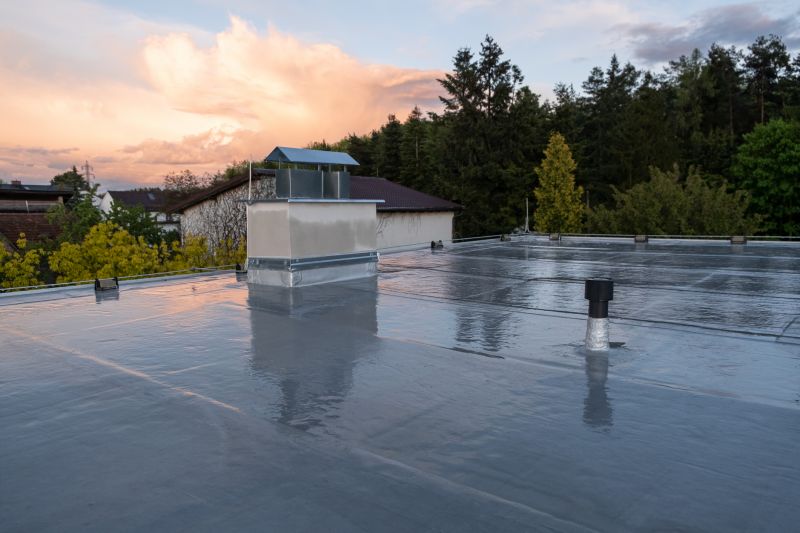
Rubber roof repair services are often needed when property owners notice leaks, ponding water, or visible damage on their roofing surfaces. In areas prone to heavy rain or temperature fluctuations, rubber roofs can develop cracks, tears, or wear over time, making repairs essential to maintain the roof’s integrity. Whether dealing with minor punctures or more extensive damage, local contractors who specialize in rubber roofing can assess the situation and recommend appropriate solutions to help protect the building from water intrusion and further deterioration.
Property owners may seek rubber roof repair services after experiencing issues like persistent leaks or after storm events that cause damage to the roofing material. Routine inspections can reveal early signs of aging, such as bubbling or cracking, prompting repairs before problems worsen. Local service providers are equipped to handle these common situations, offering repairs that extend the lifespan of the roof and help avoid more costly replacements down the line. Connecting with experienced contractors ensures that repairs are performed properly and efficiently, addressing everyday project needs effectively.
What signs indicate that a rubber roof needs repair? Common signs include cracks, blisters, ponding water, or visible damage such as tears and punctures that may compromise the roof's integrity.
Can rubber roof repairs be done without replacing the entire roof? Yes, many issues such as small tears or leaks can often be repaired by local contractors specializing in rubber roof maintenance and patching.
What types of repair services do local contractors offer for rubber roofs? They typically provide patching, sealing leaks, fixing cracks, and addressing ponding water to restore the roof’s waterproof barrier.
Are there different repair methods for various types of rubber roofing materials? Yes, repair techniques can vary depending on the specific rubber membrane, with professionals selecting appropriate patches and sealants for each type.
How can I find qualified service providers for rubber roof repair? This site helps connect homeowners with local contractors experienced in rubber roof repairs to ensure proper service.
Spotting Roof Damage - Property owners can identify signs of damage, such as leaks or cracks, to determine when rubber roof repairs are needed.
Preventing Water Intrusion - Regular inspections by local contractors can help catch issues early, protecting the interior from water damage.
Extending Roof Lifespan - Maintenance and timely repairs can help prolong the life of a rubber roof, reducing the need for complete replacements.
Planning for Roof Upgrades - Homeowners can explore options for upgrading or replacing their rubber roofs with the help of experienced local service providers.
If you are thinking about Rubber Roof Repair for a property, this guide is meant to help you understand the work, the typical project types, and how different options might fit your plans.
When you are ready, you can use the quote form on this page to share a few details about your project. From there, local pros can review the basics and respond with options that match what you have in mind.